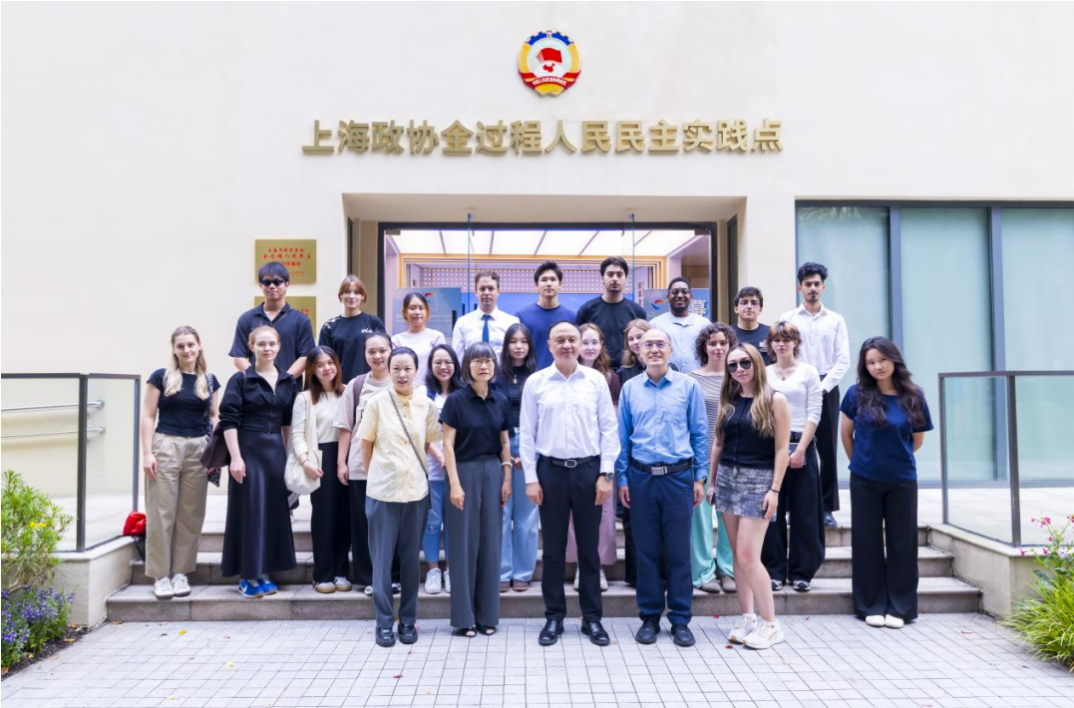
On April 16th, under the guidance of Professor Zhou Yang, the instructor of the course "Introduction to Sino-foreign Cultural Exchange," and the head teacher Luo Shu, all international students of the Class of 2024 in International Economics and Trade visited the Expo Museum, conducting an immersive practical course activity themed "From the Shanghai Expo to the Expo Museum—The Great Practice of Global Civilizational Exchange and Mutual Learning in Shanghai."
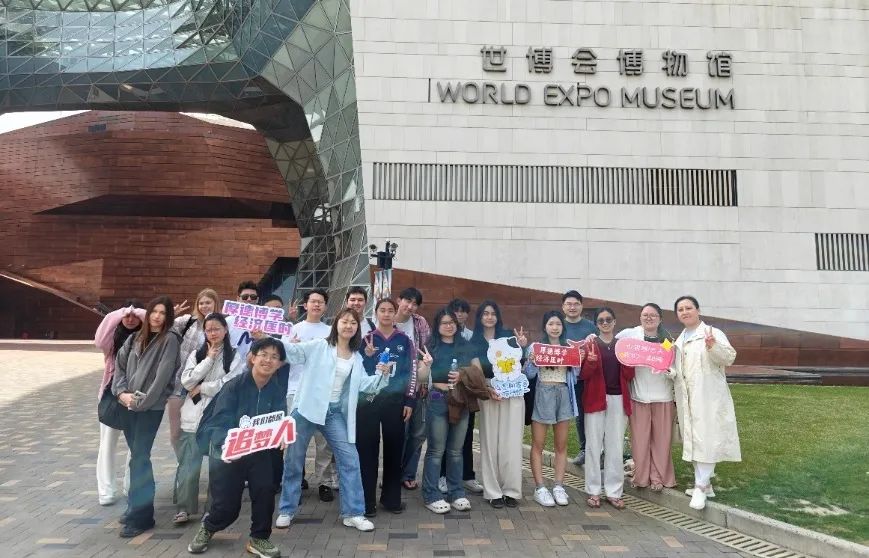
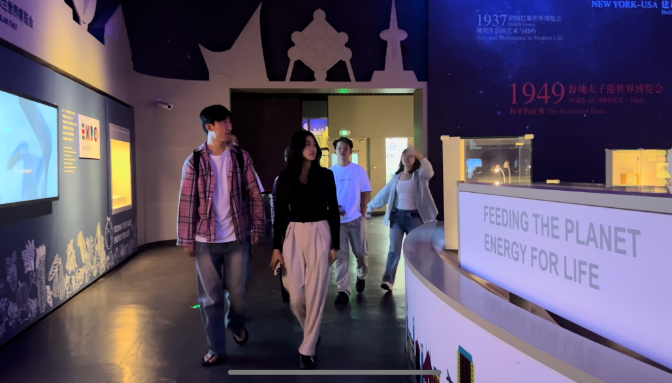
Led by the museum's tour guides, the students successively visited the eight exhibition halls of the Expo Museum. They either lingered over the exquisite exhibits representing different periods and reflecting the characteristics of various civilizations, or paused in front of the historical images of the century-old Expo restored by digital technology, or carefully read and pondered the textual descriptions of the exhibits.
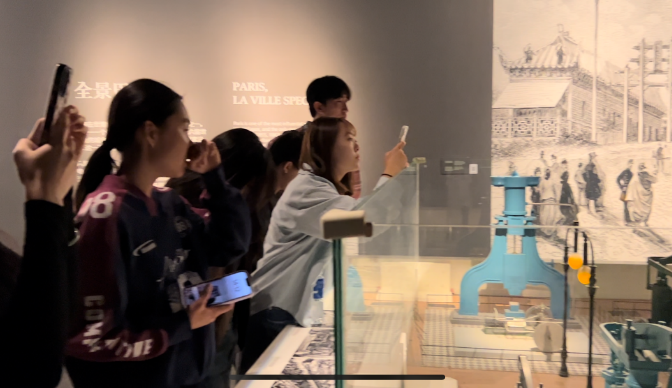
Through visits to the "Global Stage," "Path of Progress," "Optimistic Belief," and "Challenges Ahead" exhibition halls, the students learned that the purpose of holding the Expo is to showcase technological innovation, share the achievements of civilization, and promote friendly exchanges, win-win cooperation, common progress, and sustainable development among countries. In the "Century Event" exhibition hall, the students reviewed the entire process of Shanghai hosting the 2010 Expo and recognized how the spirit of Shanghai's inclusive culture was reflected in its active participation in and promotion of human civilizational exchange and mutual learning through hosting the Expo. By visiting the exhibits from various participating countries and international organizations in the "World Civilization" exhibition hall, which were part of the 2010 Expo, the students learned about the diverse cultural understandings and creativity regarding the theme of the city. In the "Chinese Wisdom" exhibition hall, the students perceived how China told its stories through different carriers and participated in international cultural exchanges and civilizational mutual learning at that time. In the "Future Vision" exhibition hall, the students learned about the "Expo Perpetuity" theme reflected in the Expo after 2010 and its continuous development.
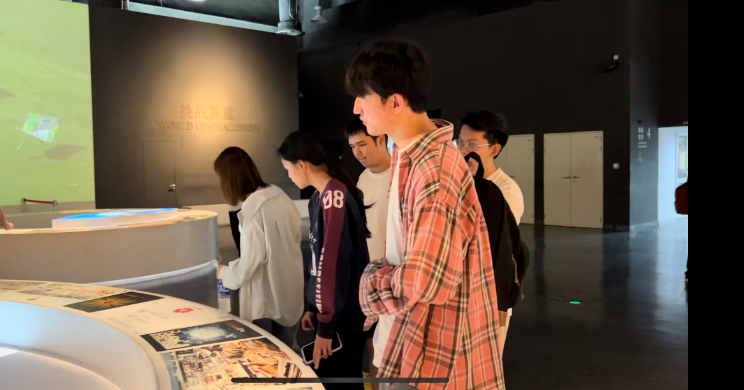
In addition, by observing the technological exhibits from various countries and the digital exhibition methods, the students also experienced the important role of science and technology in promoting the exchange and mutual learning of diverse human civilizations, as well as in displaying, sharing, and utilizing the achievements of civilizational development.
After leaving the exhibition halls, the students examined the architectural features of the Expo Museum and the urban landscape of the Expo Riverside area, experiencing firsthand the concepts and achievements of Shanghai's urban planning and urban renewal in the post-Expo era.
Through this activity, the students gained a comprehensive understanding of the history and spirit of the Expo, reviewed the historical chapter of Sino-foreign exchange and mutual learning carried by the 2010 Shanghai Expo, and deepened their understanding of Shanghai's urban development history and the great practice of global civilizational exchange and mutual learning in Shanghai. This activity was an exploration of integrating ideological and political elements into the practical courses for international students and also marked the first session of the "Understanding China through Practice" series. In the future, the college will further rely on the course practice platform to strengthen the ideological and political construction of courses for international students in China and contribute to the cultivation of international students who understand and are friendly towards China.
Course Introduction
"Introduction to Sino-foreign Cultural Exchange" is a freshman seminar course offered to undergraduate international students at our university. Based on case-based, discussion-based, inquiry-based, and practice-based teaching methods, the course introduces international students to classic historical events involving Sino-foreign cultural exchanges in various periods, fields, and aspects since classical civilizations and their impacts on Chinese society and human civilization. The course mainly covers four major themes: global history and cultural exchange, international Sinology and global Chinese studies, the global elements of Shanghai culture, and contemporary Chinese cultural dissemination and international understanding.Through the study of this course, international students in China will have a comprehensive understanding of the history and current status, motives and pathways, achievements and challenges of Sino-foreign cultural exchanges. They will be able to analyze and explore various issues of Sino-foreign cultural exchanges rationally, objectively, and scientifically with a global vision, Chinese sentiment, divergent thinking, and innovative awareness.