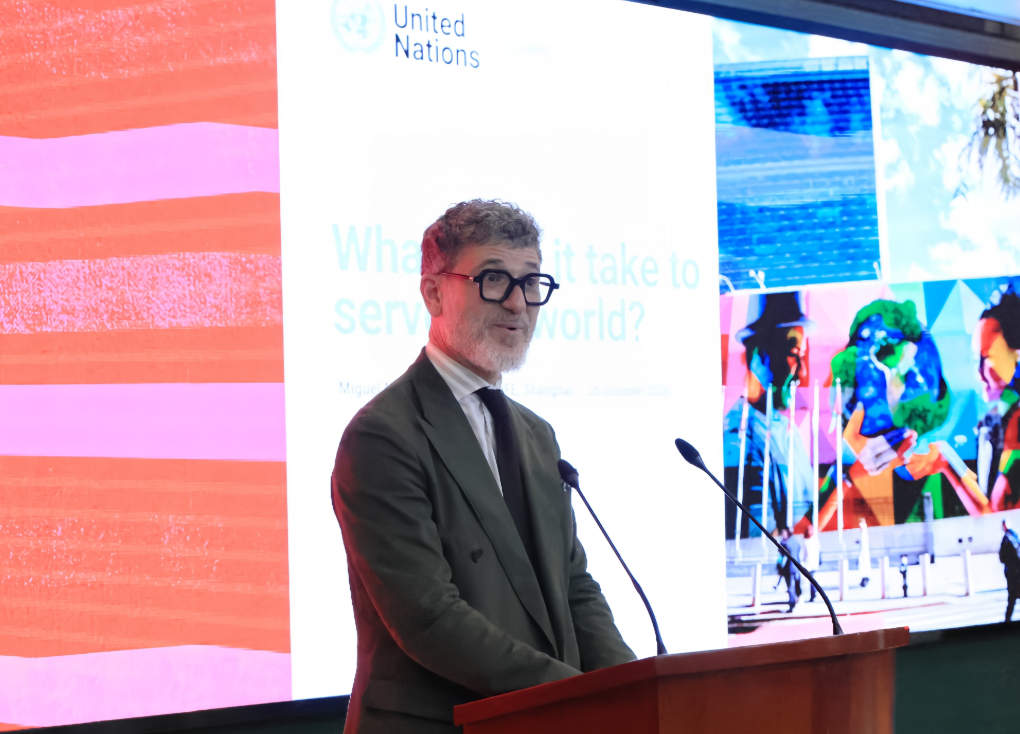
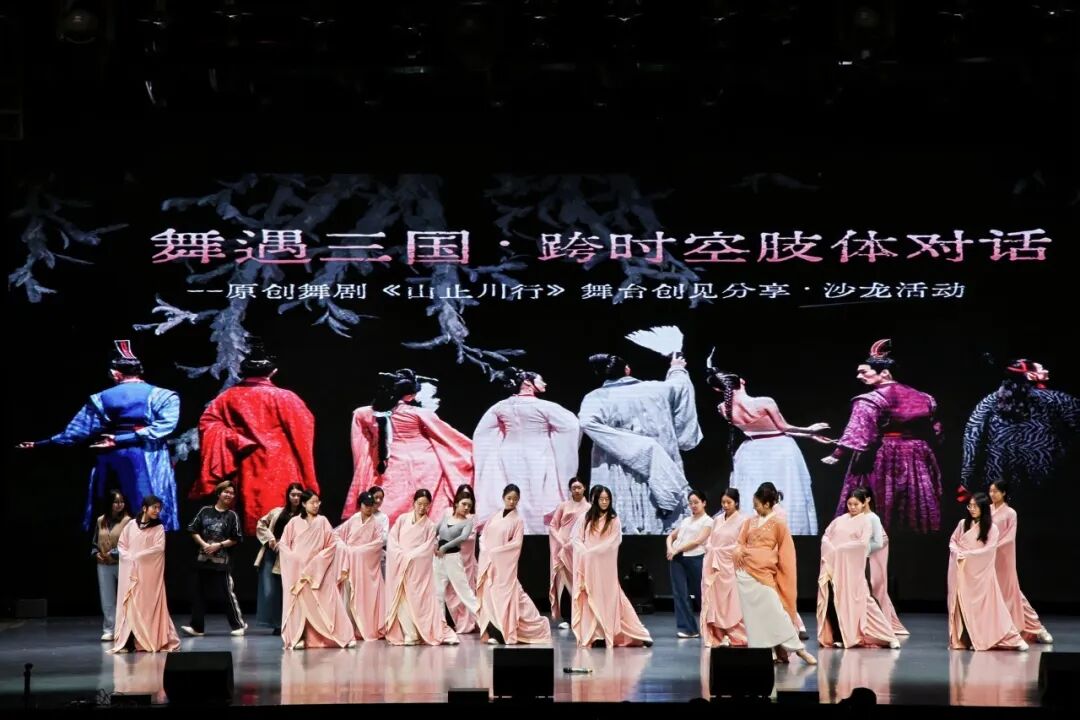
On the evening of October 21, the 'Dance Meets Three Kingdoms: A Cross-Temporal Physical Dialogue – Stage Insights Sharing Salon of the Original Dance Drama Mountains Halt, Rivers Flow', part of the Liberal Arts · Art Salon series at Shanghai University of Finance and Economics (SUFE), was successfully held at the Arts Centre. The core creators of the dance drama, renowned dancer and choreographer Zhang Aoyue; Wu Sha, core creator of the drama, third-generation inheritor of Han-Tang classical dance, and teacher in the Classical Dance Department of the Beijing Dance Academy; general producer Wang Lihua, as well as main cast members Zhao Jiayi, Lin Xiaojing, Ma Yuanze, Wu Yiming, Zhang Lizhou, Wang Mengye, and the ensemble performance team, were present. Together with nearly 700 SUFE faculty and students, they explored the creative philosophy, stage narrative, and artistic expression of a dance drama themed on the Three Kingdoms. The event was hosted by Mr. Zhang Tian from the Arts Practice Education Centre.
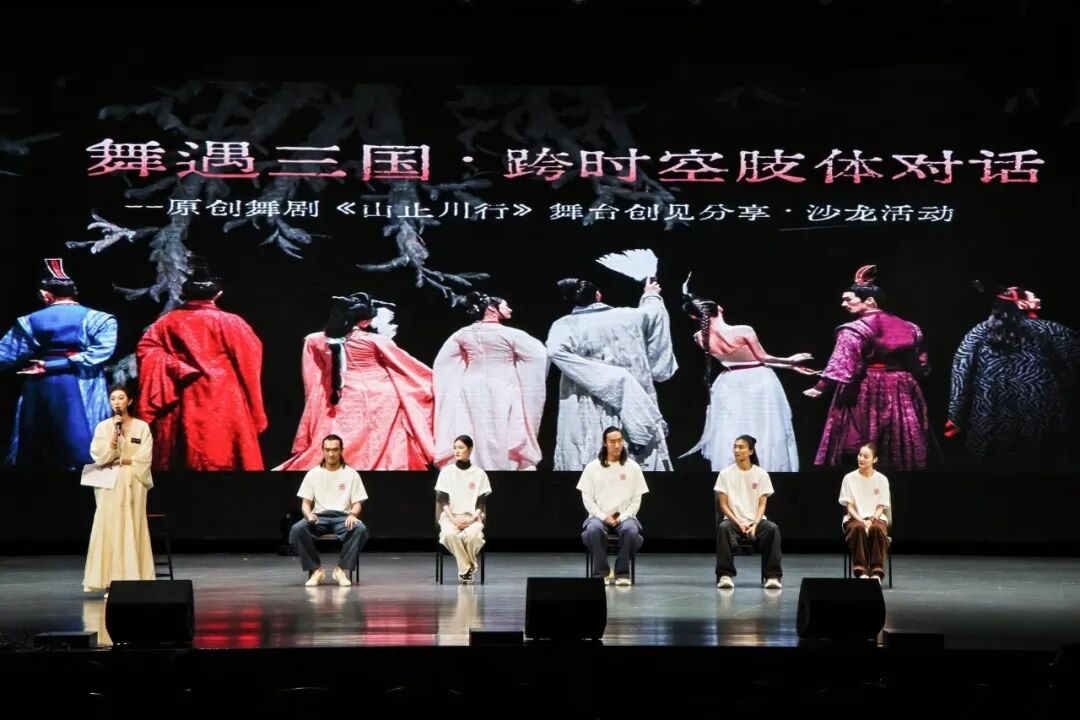
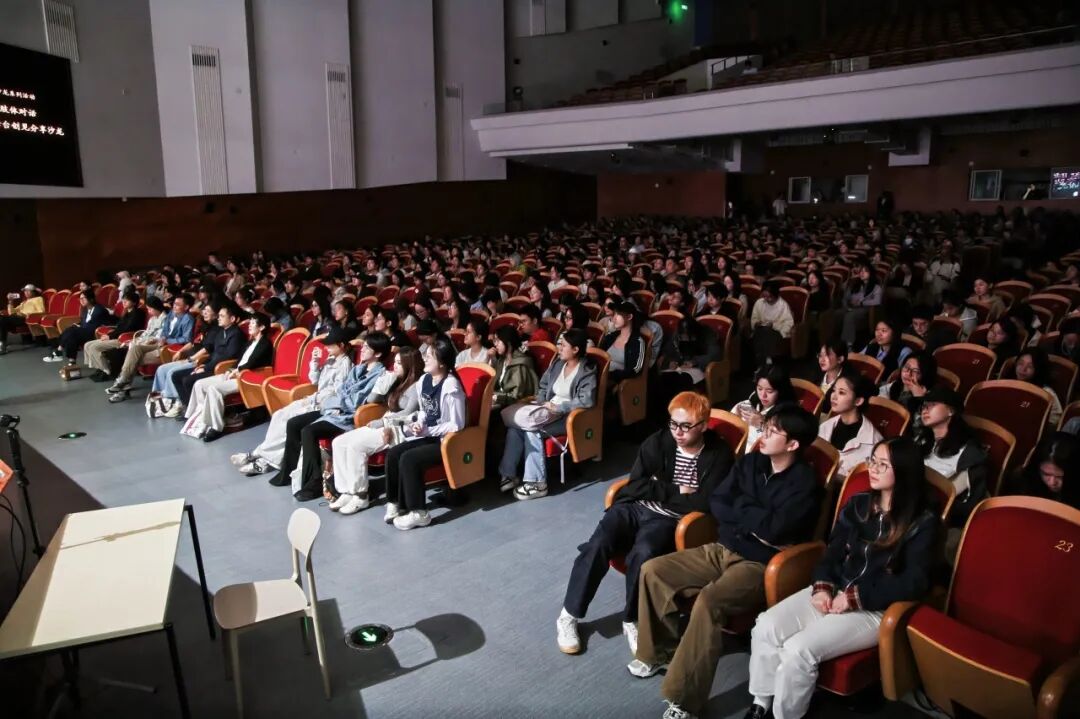
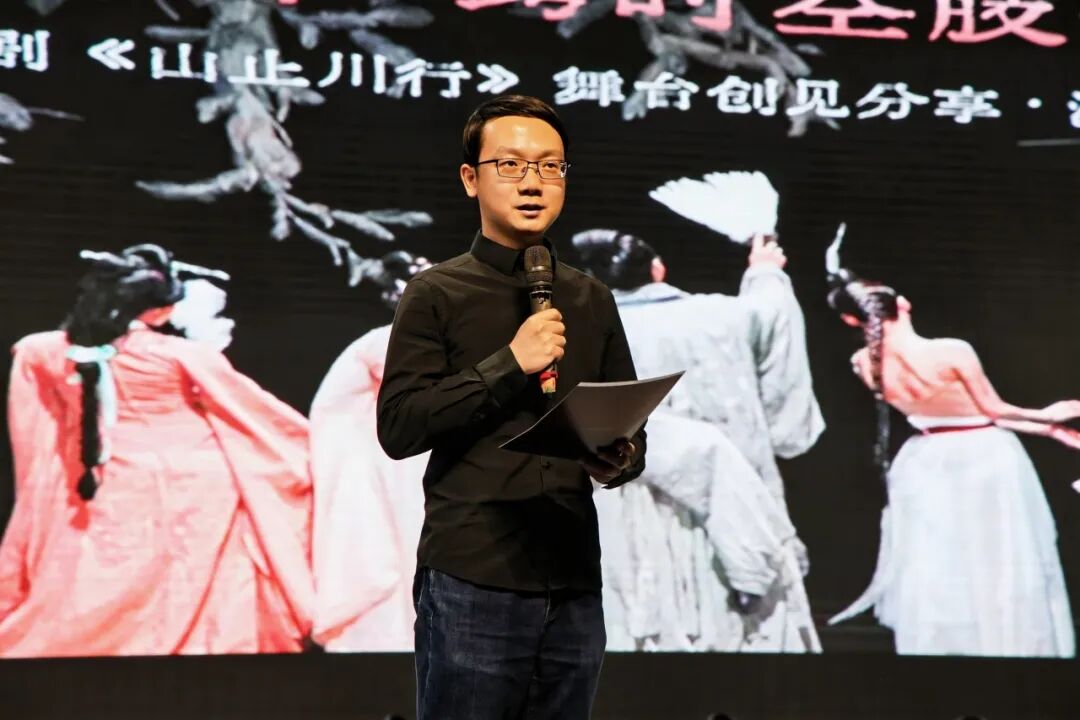
At the beginning of the event, the creators and cast members introduced themselves one by one. The creative team first explained the thematic intention of the dance drama, clarifying that the work takes 'devoting oneself utterly until death' as its spiritual core, and unfolds its narrative around the magnificent life of Zhuge Liang. The production breaks away from the stereotypical heroic narrative framework, while also portraying a group of figures from the turbulent era such as Liu Bei, Sima Yi, and Ma Su. It integrates traditional cultural imagery such as ancient Ba-Yu dance and the myth of the Golden Crow, and employs an impressionistic stage design and a blend of vigorous and graceful movement language to offer a contemporary stage interpretation of the history of the Three Kingdoms.
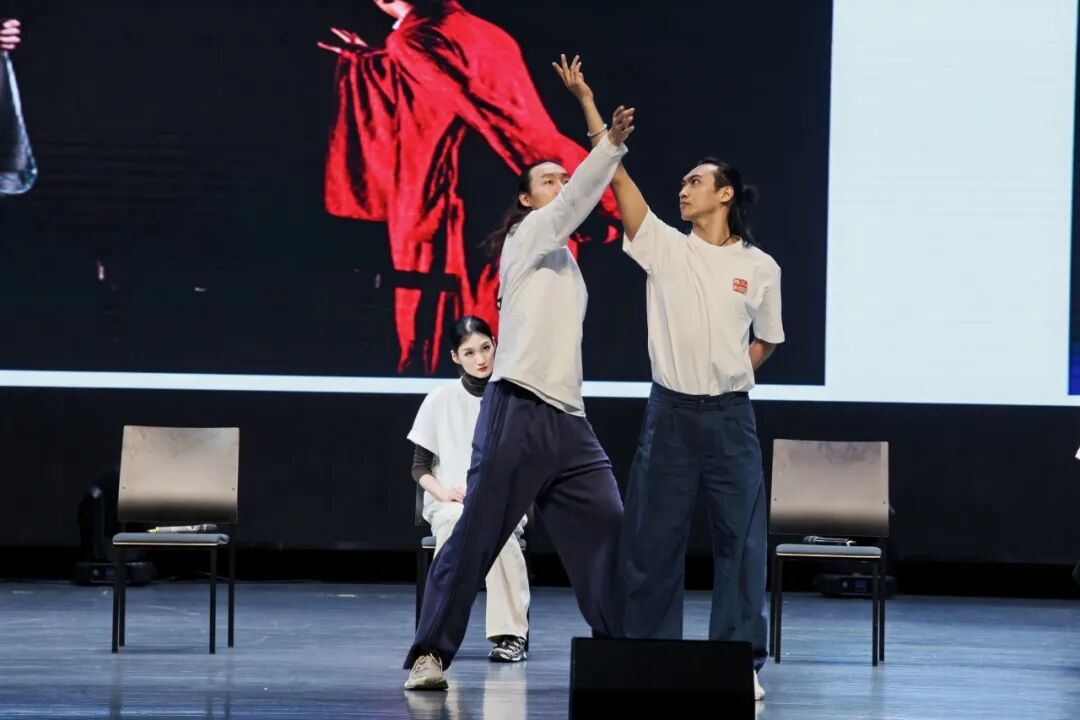
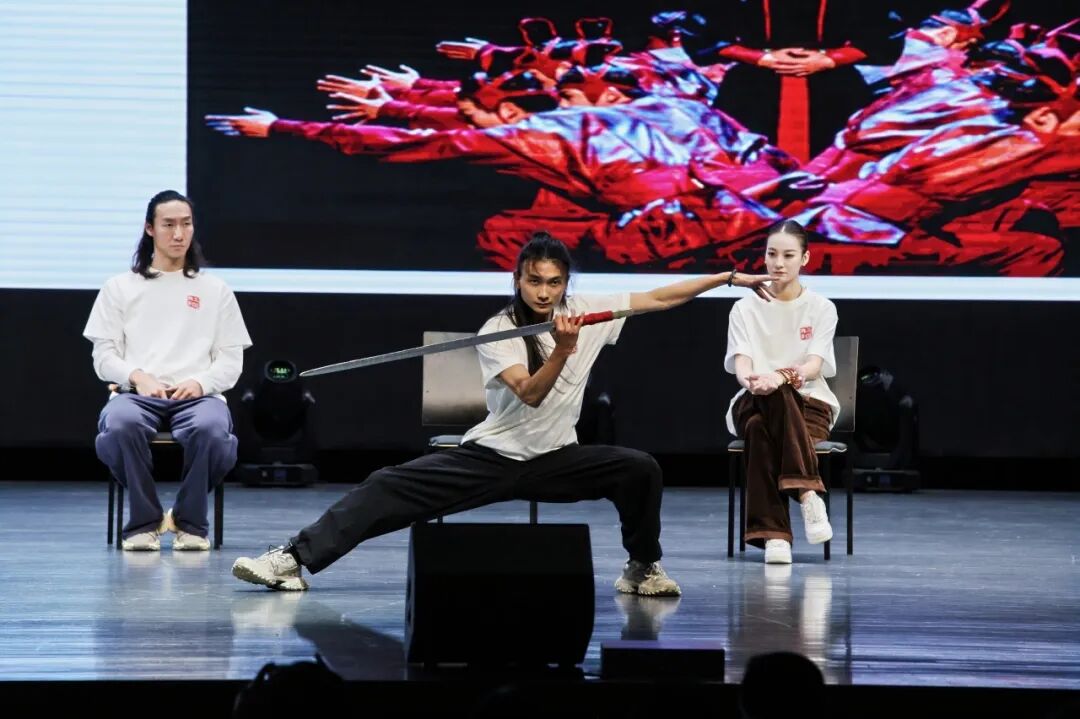
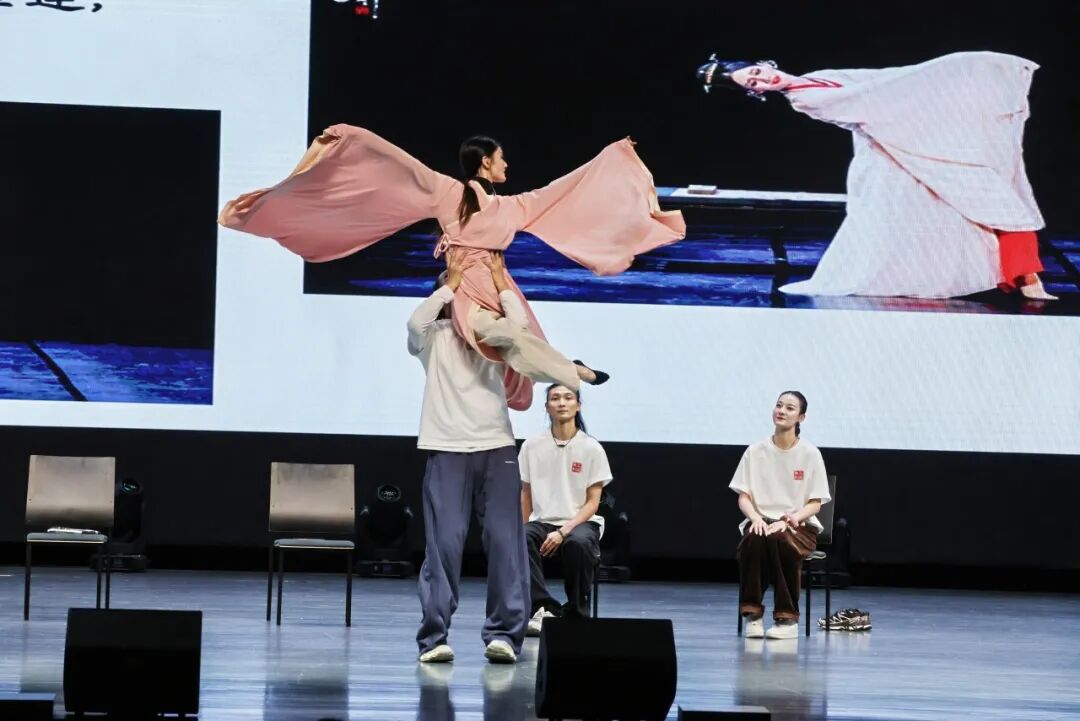
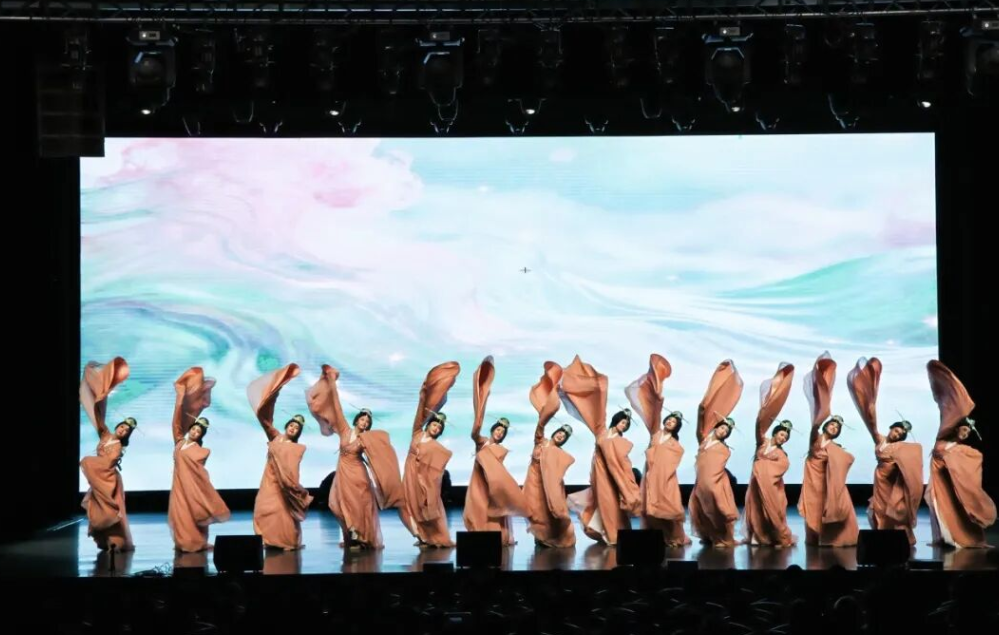
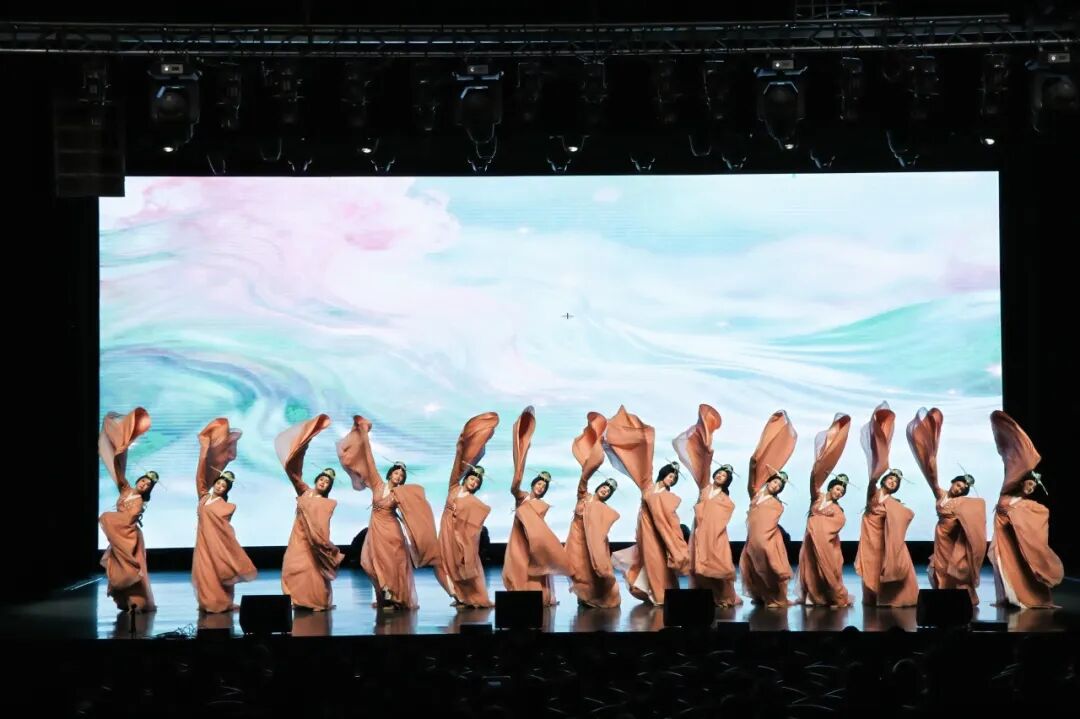
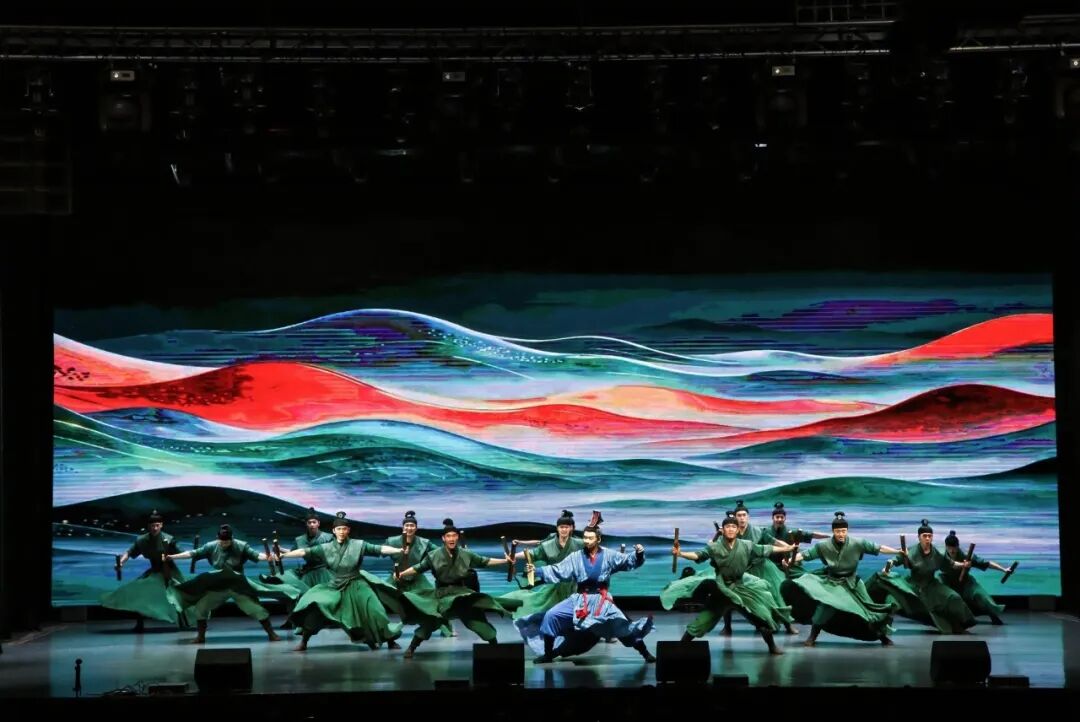
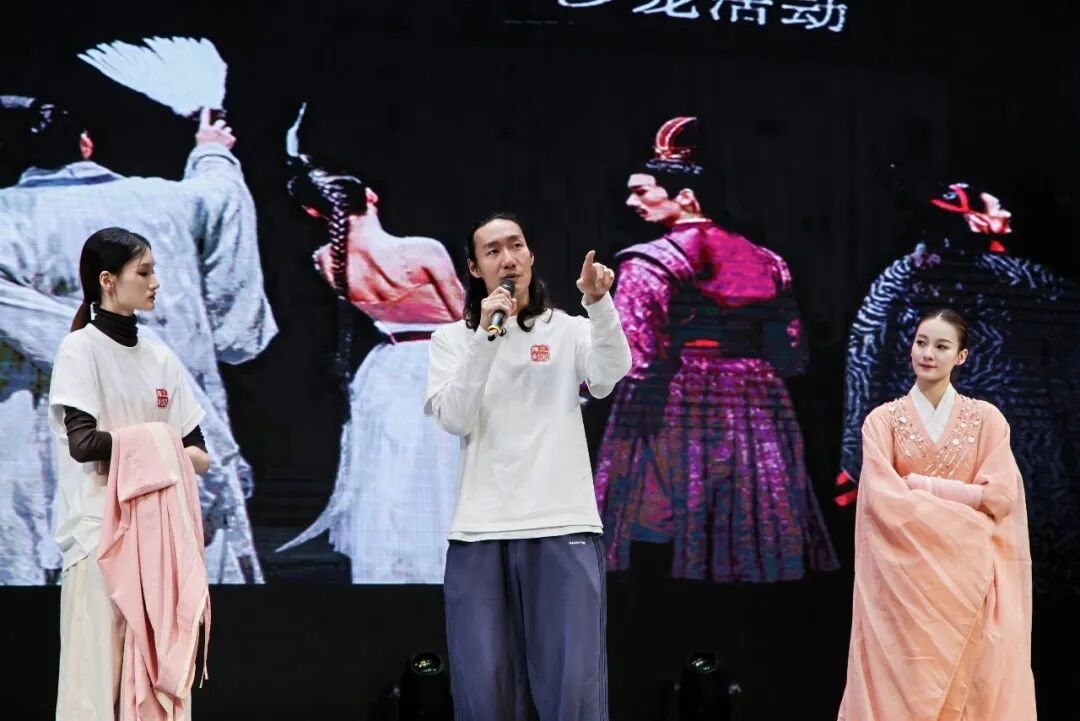
During the segment analysing key dance sequences and presenting live demonstrations, the creators interpreted the connotations of different parts of the drama in conjunction with the stage concept and provided illustrative performances. 'Dreaming Back to Longzhong – The Bond Among Courtiers' used movement language to recreate the classic scene of Liu Bei’s meeting with Zhuge Liang at Longzhong, interpreting the great sense of duty and shared moral commitment between ruler and minister. 'Building the Sword Pavilion' created a striking visual on stage through the use of props including wooden pillars over six metres high, demonstrating the majestic momentum of military preparations. Speaking about 'Executing Ma Su', the creators candidly shared the creative choices made; due to limitations on performance duration, this section was condensed, which also reflects the inevitable adjustments and regrets in staging historical subjects. The actors performed a segment of 'Sima Yi’s Army at the Gates', dancing with swords to vividly convey the intense pressure of an approaching army. 'Shadows of the Lamp – A Bond Twofold' utilised costume features of the Han dynasty in its lifting choreography, depicting the fleeting reunions and enduring longing of a couple amid troubled times. The women’s group dance 'Spring’s Return' skilfully employed the light sleeves of Han dynasty attire to express the simple sentiments of bidding farewell and praying for peace, highlighting the resilient strength of women in a time of chaos. 'Golden Crow' used agile movements to create the image of a mythical bird, underscoring the unique artistic style of the drama. 'Women’s Attire' focused on portraying the unwavering character foundation of Sima Yi. As the grand finale of the entire drama, 'The Eight Trigrams Formation' featured complex and weighty choreography, condensing the lifetime achievements of Zhuge Liang and possessing strong artistic impact. The creators summarised the spiritual essence of the drama as: 'Mountains halt, guarding eternal loyalty; rivers flow, carrying on the original aspiration through generations.' Subsequently, the ensemble dance team jointly performed the segments 'Spring’s Return' and 'Wooden Ox and Flowing Horse'. The performances were unified, powerful, and imbued with lasting artistic rhythm, delivering a stunning visual impact that won enthusiastic applause from the faculty and students present.
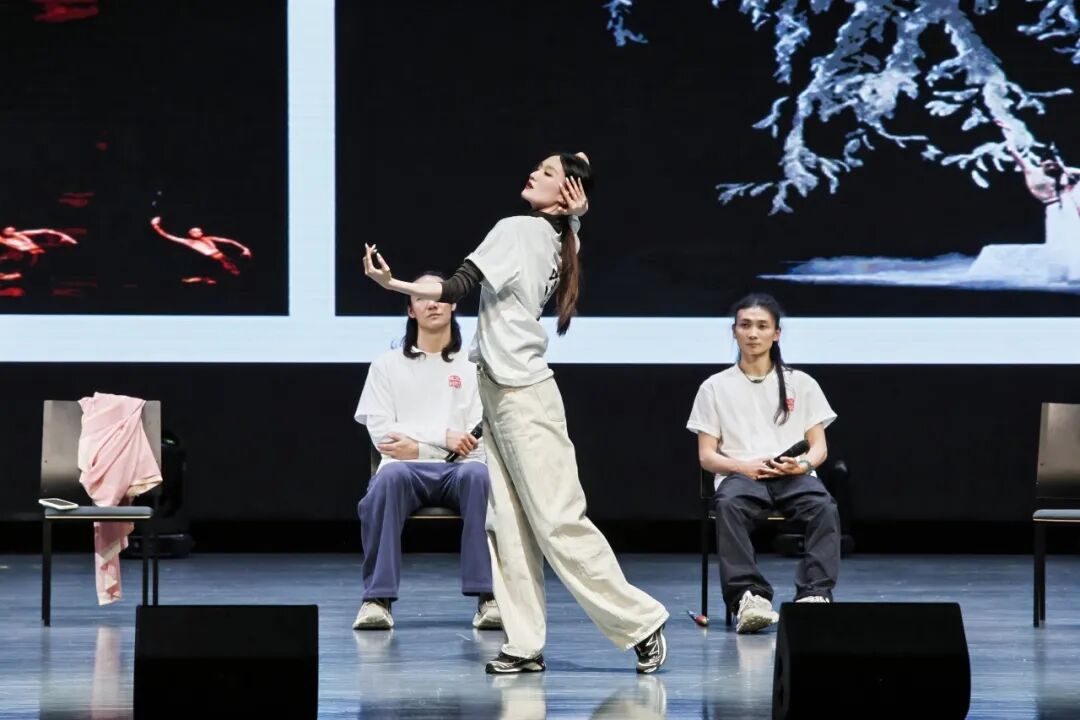
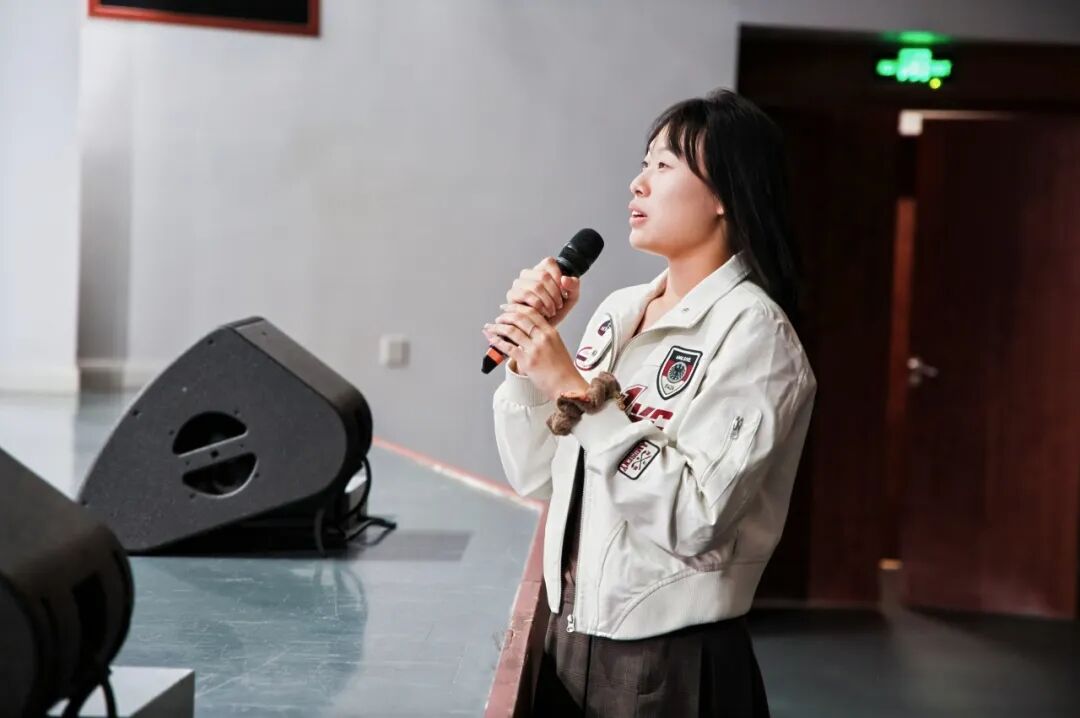
During the interactive exchange session, audience members actively raised questions and engaged in in-depth discussions. In response to questions from students regarding stage eye contact and emotional expression, Zhang Aoyue pointed out that performance is most valuable when it originates from the heart, achieving a natural transmission of emotion from within to the outside. On the issue of enhancing the quality of movement, the creators emphasised that a solid foundation in basic skills is essential, and that performers must also deeply study their characters and grasp their emotional states, ensuring that every movement carries narrative and emotion. Towards the end of the event, the speakers invited student and faculty representatives to come on stage to closely experience Han Dynasty thin-sleeved garments and to learn classic dance movements from the creators, immersively appreciating the aesthetic essence of Han-Tang classical dance.
This art salon integrated creation sharing, dance segment performances, academic dialogue, and hands-on experience, breaking through the temporal and spatial barriers of written historical materials, and revitalising the spirit of the Three Kingdoms period within contemporary dance art. As an important event in the university’s 'Boya · Art Salon' series, this activity aimed to guide young students to appreciate the creative charm of stage art based on traditional themes, deepen their understanding of the modern expression of traditional culture, and implement the aesthetic education goal of enriching the mind through beauty. Moving forward, the Art Practice Education Centre will continue to develop high-quality Boya aesthetic education brand activities, enrich the supply of campus aesthetic education practice activities, cultivate a refined and sincere campus cultural atmosphere, and continuously support the high-quality development of aesthetic education at the university.